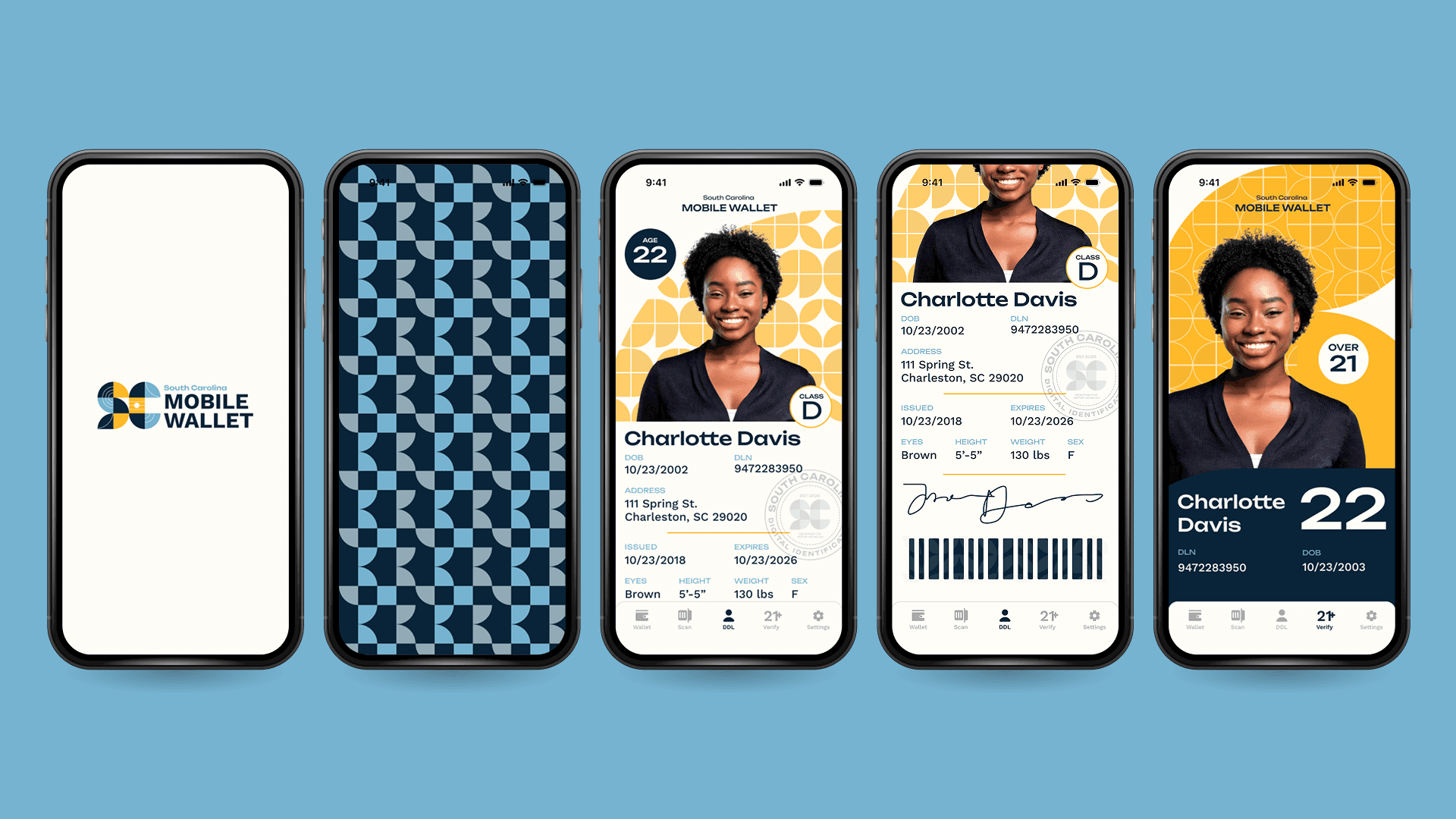
Innovating Digitial Identification Experiences
Simplifying identification and age verification for South Carolina residents
Role
Product Designer
Timeline
6 weeks
Tools
Figma
platform
Mobile
The Challenge
Traditional driver’s licenses are designed for physical verification but do not seamlessly translate to digital environments. Key challenges include maintaining security, accessibility, and clarity while ensuring a user-friendly experience on mobile devices. A poorly designed digital license could lead to usability issues, security concerns, and a lack of visual cohesion with official government branding.
The Solution
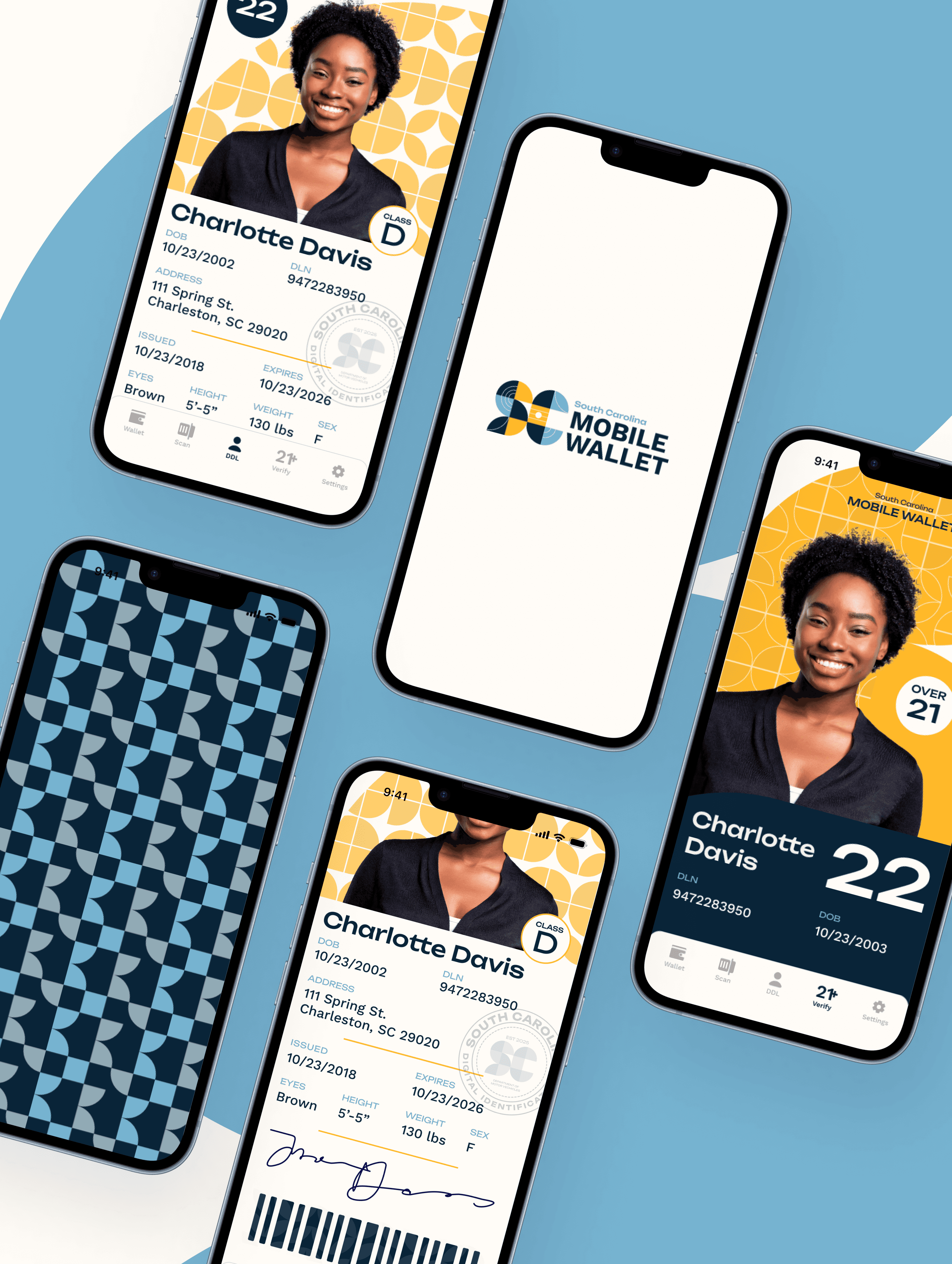
A digital license that is structured to enhance readability, security, and ease of use. The design leverages clear typography, intuitive layout, and visual elements inspired by South Carolina’s culture to create an engaging yet functional experience. Interaction models ensure smooth verification and access, making the transition from physical to digital seamless and efficient.
My Approach
Research
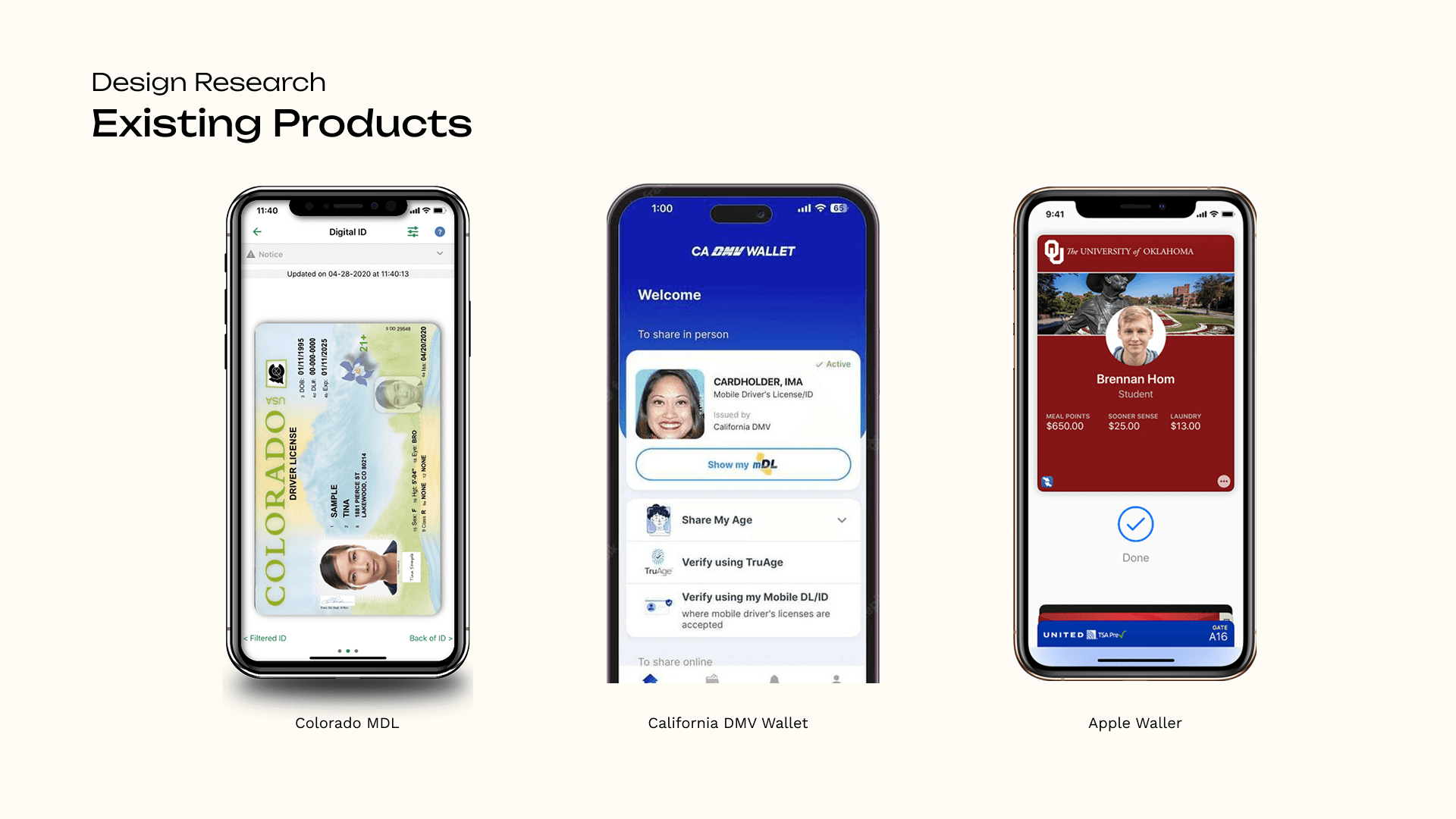
Competitive Analysis: Conducted research on existing digital ID solutions to identify design opportunities for a more modern, user-friendly interface. Focused on improving usability, aesthetics, and functionality beyond a direct translation of physical IDs.
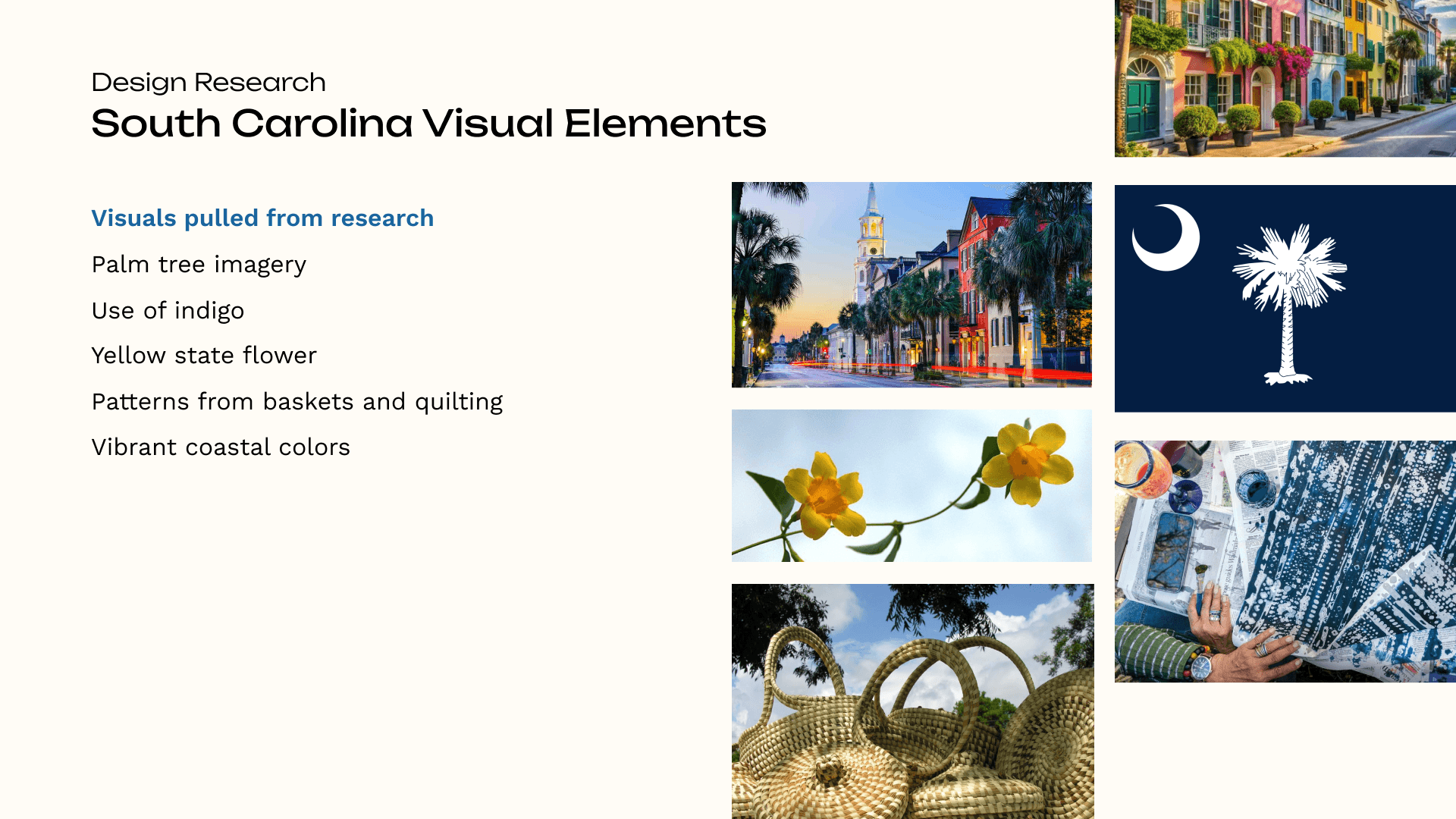
State Research: Explored South Carolina’s cultural and visual identity, incorporating elements such as state fauna, colors, and traditional crafts to create a distinctive and regionally relevant design.
Accessibility
Intuitive User Experience: Prioritized clear information hierarchy and ease of navigation to ensure users can quickly present or verify their ID. This was achieved through:
A visually distinct layout offering both a full information view and a simplified age verification view.
Integrated photo treatment that highlights the user’s image, improving visual verification.
Unique Features
State-Inspired Visual Identity: Leveraged South Carolina’s cultural motifs to create an official yet visually engaging design.
Dynamic Security Feature: Implemented a real-time validation indicator to confirm the application is active and prevent fraudulent use.
Room For Improvements
Looking at existing digital identification cards, there is plenty of room for growth both aesthetically and functionally. I looked at 3 products (Apple Wallet, California mDL, & Colorado Digital ID) to find the following oppurtunities for improvments in digital ID applications:
Enhanced Branding & Identity
I needed to create a recognizable visual identity that was both unique to the state I was designing for and goes beyond designing a replica of a physical identification card.
2. Improved Photo Representation
My product should utilize thoughtful photo treatments that are visually pleasing and increase overall visibility.
Secure Information Display
How can I design for authentication? I needed to create a way to control visibility of sensitive data and security feature to prove a card is not counterfeit.
State Research & Aesthetics
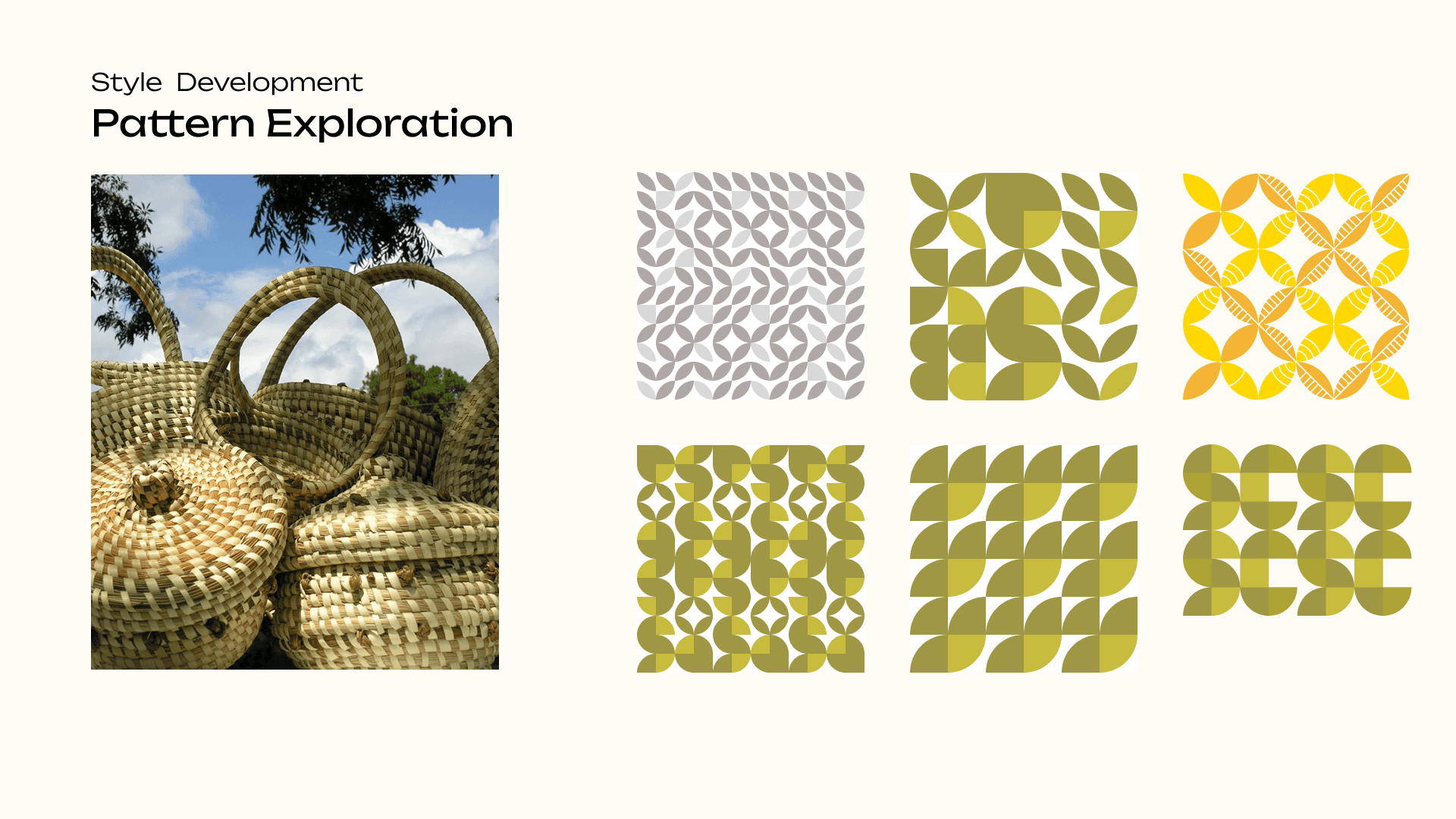
In order to create a strong visual brand for the state of South Carolina, I explored the state's cultural and visual identity, incorporating elements such as state fauna, colors, and traditional crafts to create a distinctive and regionally relevant design.
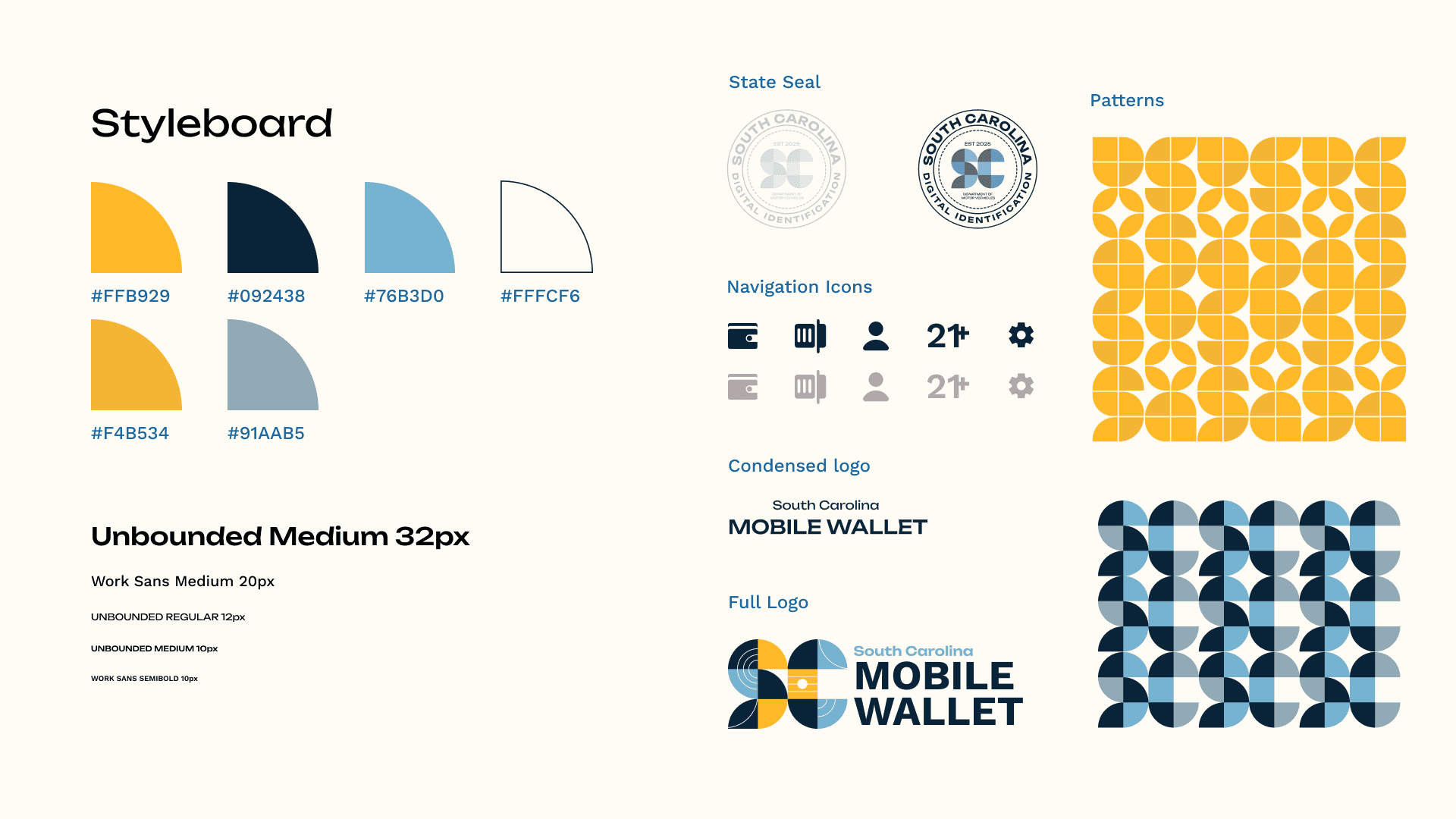
Ultimately, I landed on using patterns of traditional basket weaving paired with the colors of the state flag and state flower to create my visual identity.
Iterating, Iterating, Iterating…
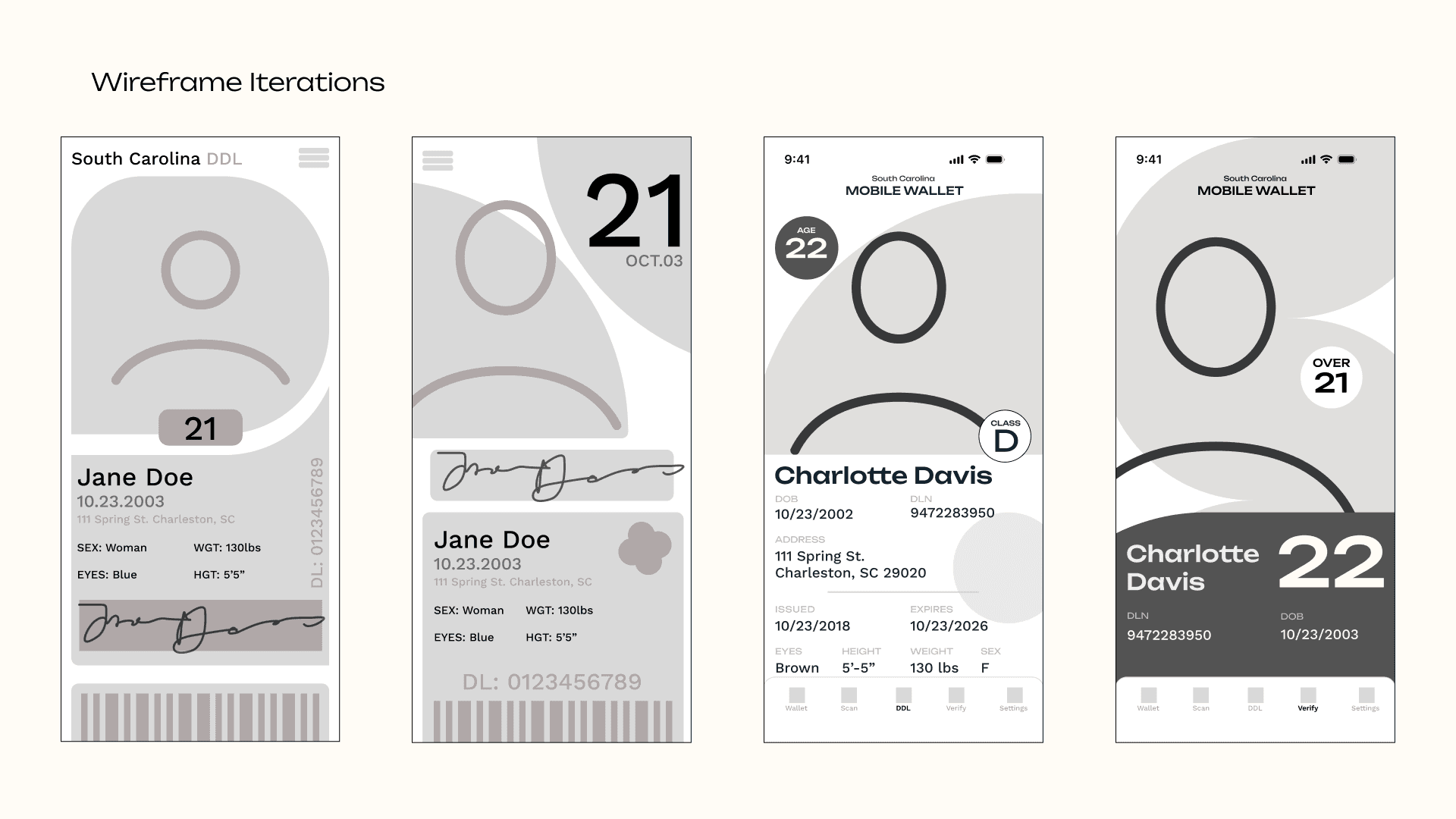
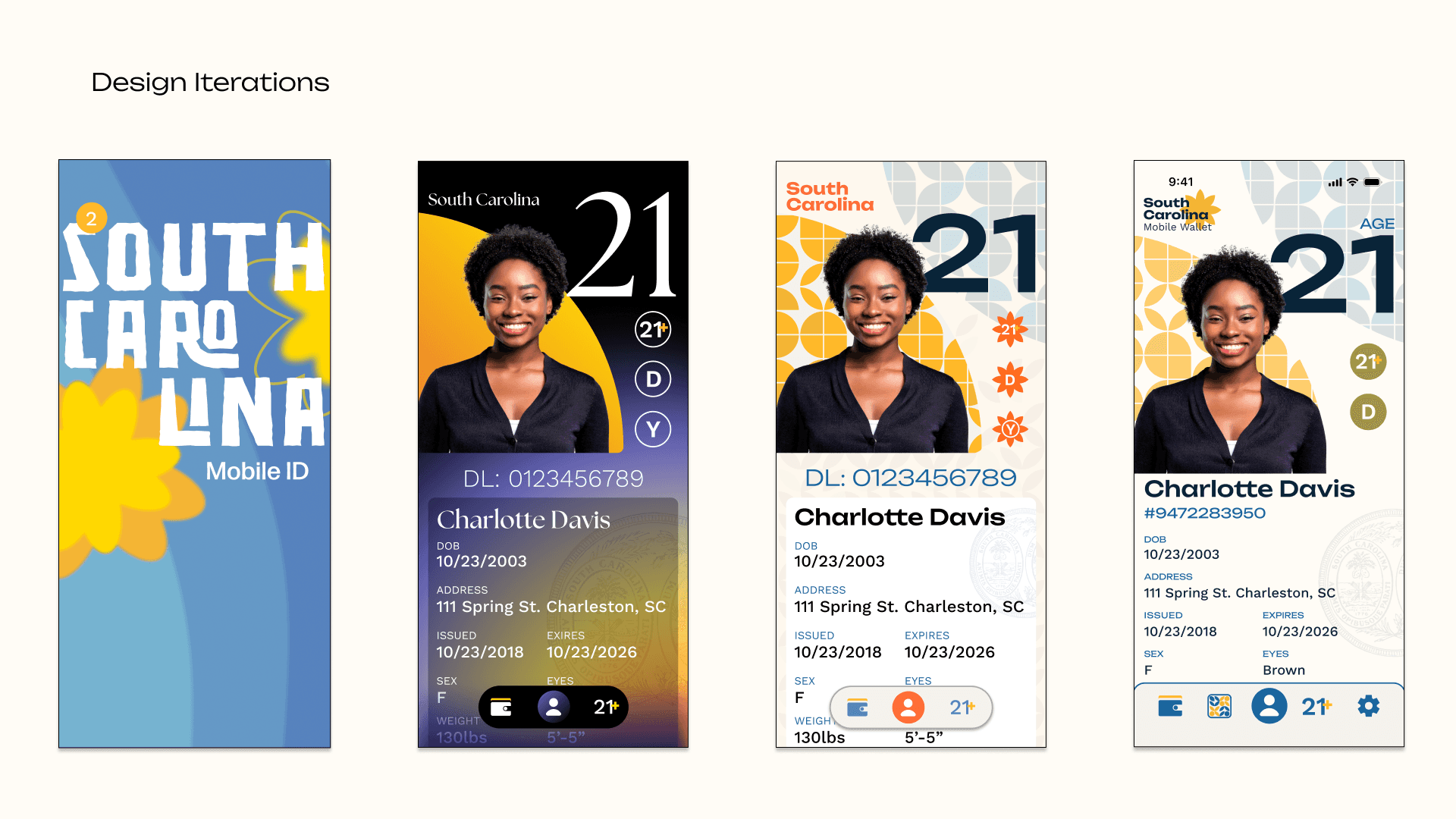
I like to create multiple approaches to a project early on. I mostly iterated on the layout of the main ID screen to try out different ways of presenting the information. This was an important part of the process because it made me think critically about what information demanded more attention than others. Age? Name? Photo? What information would a user want to see first?
Once I had a better idea of the layout, I explored different branding options based on my previous style development research. I used this process as a way to finalize my branding decisions before moving on to the final designs.
What I Learned
Balancing branding with functional design is essential to creating a digital ID that is both visually appealing and easy to use. Overly complex elements like multi-color navigation, busy backgrounds, and confusing color schemes can hinder usability. Instead, purposeful patterns and illustrations can enhance the design without overwhelming it. Intentional use of branding elements ensures clarity and cohesion and sometimes, the best approach is to simplify and go back to the basics for a cleaner, more effective user experience.
Future Steps
If I were to continue the development of this project, I would focus on a few things.
User Testing
As this was a class project, it was only reviewed by a handful of my peers. In order to make this concept as useful and intuitive as possible, I'd like to conduct user research on a larger scale to better understand what changes could be made.
Further Development of App Capabilities
Currently, this concept only explores two screens of the application (main screen with DDL information and age verification). In my navigation, I've implied extra pages for a user's digital wallet, ID barcode scan, and a settings page. Adding those pages would fully flesh out the application.